“Nose piercing” covers several placements. A nostril piercing sits at the side of the nose, while a septum piercing sits between the nostrils. Bridge and high nostril piercings are different placements again, with their own anatomy and jewellery considerations.
If you mean the familiar stud or ring at the side of the nose, our nostril piercing in Dublin: price and booking page is the practical next step. For the central placement, see septum piercing appointments.
Find your nose piercing style
Placement, jewellery and care to discuss with your piercer.
Nostril
A piercing through the side of the nose can be positioned to suit your anatomy and desired look.
Septum
A septum piercing is usually placed through suitable soft tissue beneath the nasal cartilage.
Bridge
A bridge piercing crosses the skin at the upper nose; suitability needs careful assessment.
Choose initial jewellery
Material, dimensions and fit should suit the placement and allow for initial swelling.
Plan around your routine
Discuss glasses, skincare, work requirements and activities that could disturb the piercing.
Care and follow-up
Avoid twisting or unnecessary changes; have a qualified piercer assess healing and jewellery fit.
Impulse BioWorks & Piercing · Temple Bar, Dublin · impulsepiercing.ie
Further guidance: Association of Professional Piercers · Association of Professional Piercers
Which type of nose piercing are you looking at?
- Nostril: a placement through the side of the nose, often worn with a stud or, after appropriate healing, a ring.
- Septum: a placement in the suitable tissue between the nostrils, usually visible beneath the nose.
- High nostril: a higher placement on the side of the nose that needs a separate suitability discussion.
- Bridge: a surface placement across the bridge, between the eyes.
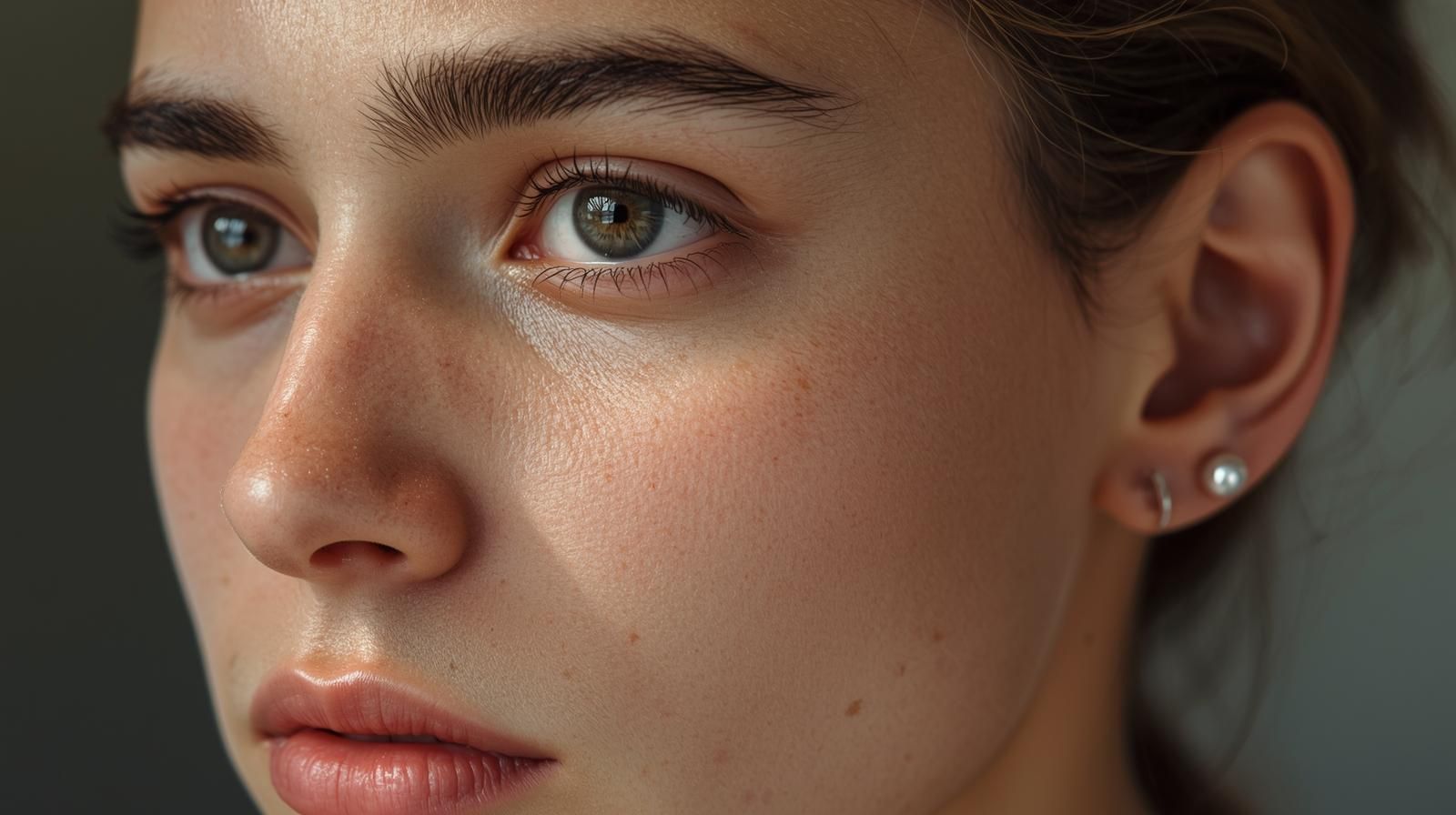
A photograph is useful when the name is unclear. Do not assume that every placement in an inspiration image is offered, or that the same piece of jewellery fits all of them.
How do you choose a nostril placement?
Consider which side you prefer, how the jewellery looks from the front and profile, and whether your eventual goal is a stud or a ring. The position of the nostril crease is part of the discussion, not an instruction to place every piercing in exactly the same spot.
A piercer can relate your reference image to your own nose. Piercing educator Lynn Loheide's nostril guide explains why individual anatomy and the intended jewellery affect this decision.
Can you start with a hoop?
The initial choice depends on placement, jewellery dimensions and your piercer's assessment. A ring shown in a healed photograph is not automatically suitable as a starter piece. Ask about the route from the first jewellery to the style you eventually want.
When comparing studs, ask about the post and fastening as well as the visible top. A smaller gem does not necessarily mean a thinner or shorter post. The APP jewellery guide explains the importance of appropriate size, style and material.
How long does a nose piercing take to heal?
The placement matters. A nostril piercing commonly needs months; professional healing estimates give around six months to a year. Do not apply a septum timeline to a nostril, or use an early comfortable week as permission to change jewellery.
When you arrange a review, explain what you want to change and why. A different decorative style, a shorter post and help with discomfort are separate questions that deserve a specific answer.
What should you plan around?
Think about glasses, face coverings, makeup, skincare and the way you dry your face. Mention work or sport rules that might require jewellery removal. Sorting out these practical questions before deciding is easier than discovering a conflict afterwards.
Do not stop prescribed medication because of piercing advice online. Raise medication or health questions with the clinician who manages your care and tell your piercer anything relevant to the appointment.
Common questions
Does it hurt? Pain varies, so ask the piercer to explain the process and tell them what worries you.
Can I switch to a ring as soon as swelling settles? Ask for an assessment first; reduced swelling and complete healing are different things.
Can I have matching nostrils? Discuss both sides and the complete arrangement before placing the first one.
When you are ready, check the price and book your nostril piercing in Dublin. The service page keeps current appointment details together.